
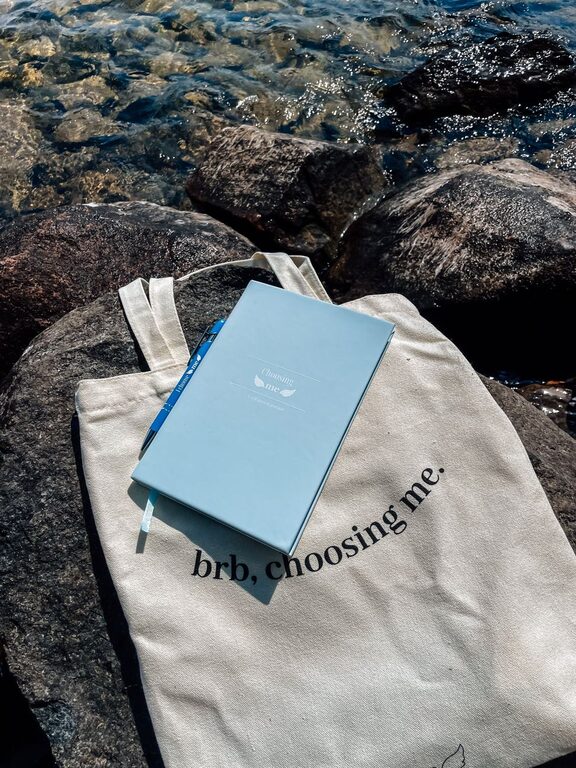
Choosing the right notebook can make a big difference in how often and effectively you use it. Whether you want a place to jot down ideas, track your goals, or simply organize your thoughts, the perfect notebook should inspire you to write and keep you coming back for more. In this guide, we’ll explore practical tips to help you pick a notebook you’ll actually use.
Why Choosing the Right Notebook Matters
A notebook is more than just paper bound together; it’s a tool for creativity, focus, and personal organization. Using a notebook that doesn’t suit your style or needs can lead to frustration and, ultimately, the notebook being left untouched. When you find one that fits well with how you like to work or think, writing becomes enjoyable and rewarding.
Consider Your Purpose First
Before anything else, think about what you want to use the notebook for. Different uses call for different styles:
– Journaling: You may want a notebook with a smooth, friendly paper that’s easy to write in for long sessions.
– Note-taking: Something lightweight and portable can help if you’re taking notes on the go.
– Sketching or creative work: Look for thicker, high-quality paper that can handle ink or markers without bleeding.
– Planning and to-do lists: A notebook with built-in sections or grids might help keep things organized.
Knowing how you plan to use the notebook helps narrow down options.
Size and Portability
Notebooks come in various sizes, each with benefits:
– Pocket-sized (3” x 5” or smaller): Great for quick notes or sketches on the go. Easy to carry but may limit space.
– Medium (5” x 8” or similar): A popular size that balances portability with writing space.
– Large (8.5” x 11” and up): Offers plenty of room but is less portable.
Think about where you’ll keep your notebook and how often you’ll carry it. If you’re always moving between places, a smaller, lighter option may work best.
Paper Quality and Ruling
Paper weight and ruling can greatly affect your writing experience:
– Paper weight is measured in grams per square meter (gsm). Thicker paper (80-100 gsm or higher) reduces ink bleed and feels sturdier.
– Ruling options:
– Lined: Standard for writing.
– Blank: Great for drawing or free-form notes.
– Dot grid: Popular for bullet journaling, offering structure without being intrusive.
– Grid: Useful for graphs, planning, or precise writing.
Pick a ruling style that matches your typical use. Also, consider the ink or pen you like – some bleed more through thin paper.
Binding Type and Durability
The way a notebook is bound affects how it feels and lasts:
– Spiral-bound: Opens flat, easy to fold back, but may wear out or snag.
– Sewn binding: Durable and often lies flat. Good for notebooks you’ll keep long-term.
– Glue-bound (perfect bound): Sleek look but may not open as flat.
– Hardcover vs. softcover: Hardcover notebooks protect pages better, while softcover ones are lighter.
If you plan to keep your notebook for a long time or carry it around daily, durable binding and a sturdy cover matter.
Design and Aesthetics
While function is key, the look and feel of your notebook can motivate you to use it:
– Choose a cover design that makes you happy or fits your personality.
– Consider color, texture, and whether you like minimalist or bold styles.
– Some notebooks offer additional features like elastic bands, pen holders, or pockets for storing notes and receipts.
Small extras can make your notebook feel special and easier to use.
Price vs. Value
Notebooks range from very affordable to quite pricey. A higher price doesn’t always mean better quality, but investing in a notebook that feels good to use can be worth it. Think about how much you’ll use it and what features matter most to you. Sometimes, a mid-range notebook with good paper and a comfortable size hits the sweet spot.
Test Before You Commit
If possible, try out different notebooks in stores before buying. Write a few lines with your favorite pen to see how the paper feels and looks. Check how easily the notebook opens and closes. This hands-on experience helps prevent disappointment later.
Tips to Keep Using Your Notebook
Once you have your notebook, here are some ways to stay motivated:
– Keep it visible and handy, so you remember to use it.
– Set small goals, like writing a daily note or sketch.
– Personalize it with stickers, tabs, or doodles.
– Don’t be afraid to experiment — if one notebook isn’t working, try a different style.
Conclusion
Choosing a notebook you’ll actually use comes down to understanding your own writing habits and preferences. Think carefully about size, paper quality, binding, and style to find the right fit. When your notebook feels right, writing becomes a pleasure instead of a chore. Happy journaling!