
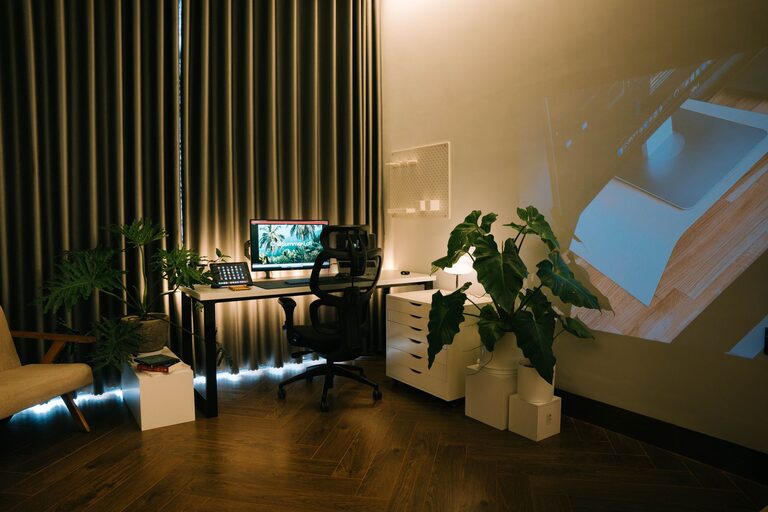
Creating a relaxing home workspace is essential for anyone who spends significant time working from home. A well-designed area can help improve focus, reduce stress, and increase overall productivity. Whether you have a dedicated room or just a small corner, turning your workspace into a peaceful and inviting spot is achievable with a few thoughtful changes.
In this guide, we’ll explore practical tips and ideas to help you create a calming home workspace that supports your work and well-being.
Why a Relaxing Workspace Matters
When your work area feels comfortable and inviting, it positively impacts your mood and efficiency. A cluttered or noisy environment can make it hard to concentrate, leading to frustration and burnout. By designing a space that encourages relaxation, you set yourself up for success.
Assess Your Space
Before making any changes, start by evaluating your current workspace. Consider:
– Lighting: Is there enough natural light? Poor lighting can cause eye strain and fatigue.
– Noise level: Is your space quiet, or do distractions interrupt you often?
– Comfort: How comfortable is your chair and desk setup?
– Clutter: Is your desk organized or overwhelmed with items?
Knowing what needs improvement will help you focus your efforts.
Choose a Calm Color Palette
Colors have a powerful effect on our emotions. For a relaxing atmosphere, choose soft, neutral tones or muted colors such as:
– Light blues, greens, or grays
– Warm beige or off-white shades
– Pastel hues
Avoid bright, harsh colors that may feel energizing or distracting.
Maximize Natural Light
Natural light can improve mood and alertness. Position your desk near a window if possible. If natural light is limited, invest in warm, adjustable lighting such as:
– Desk lamps with dimmer settings
– Soft overhead lighting
– LED bulbs with natural daylight options
Avoid harsh fluorescent lights and glare on your screens.
Invest in Ergonomic Furniture
Comfort is key to feeling relaxed during work. Consider the following:
– Ergonomic chair: Supports your back and promotes good posture.
– Adjustable desk: Allows you to switch between sitting and standing.
– Monitor stands: Keep screens at eye level to prevent neck strain.
– Keyboard and mouse: Choose items that reduce wrist stress.
Comfortable furniture helps reduce physical tension and keeps you focused.
Declutter and Organize
A clean and organized workspace promotes calm and clarity. Try these tips:
– Use storage bins, drawers, or shelves to keep supplies neat.
– Only keep essential items on your desk.
– Use cable organizers to reduce wire clutter.
– Create a filing system for documents.
Regularly tidying your area can prevent mess buildup and distractions.
Add Soothing Elements
Incorporate items that bring a sense of calm and personalization, such as:
– Plants: Indoor greenery improves air quality and adds a natural touch.
– Artwork: Choose calming prints or photos that inspire you.
– Aromatherapy: Use a diffuser with gentle scents like lavender or eucalyptus.
– Soft textiles: Add a cozy rug or cushions for warmth.
These small touches can make your workspace feel inviting and peaceful.
Manage Noise Wisely
If noise is an issue, try strategies to minimize distractions:
– Use noise-cancelling headphones.
– Play soft instrumental or ambient music.
– Install sound-absorbing materials like curtains or rugs.
– Communicate with household members about quiet hours.
Controlling noise helps improve concentration and reduces stress.
Establish Boundaries
Creating mental and physical boundaries supports a relaxing workspace:
– Set specific work hours and stick to them.
– Keep your workspace separate from leisure areas if possible.
– Avoid bringing non-work-related items into your area.
– Inform family or roommates of your schedule to reduce interruptions.
Clear boundaries help maintain a productive routine and work-life balance.
Take Breaks and Move
Even in the most relaxing environment, taking breaks is crucial.
– Follow the 20-20-20 rule: every 20 minutes, look 20 feet away for 20 seconds.
– Stand and stretch or walk around regularly.
– Use breaks to step outside and get fresh air if possible.
Movement refreshes your body and mind, keeping you energized.
Final Thoughts
Creating a relaxing home workspace doesn’t require a complete renovation. Small, intentional changes in lighting, organization, comfort, and personalization can transform your work area into a peaceful retreat. By designing a space that supports your well-being, you’ll find it easier to focus, reduce stress, and enjoy your work-from-home experience.
Start with one or two upgrades and build from there. Your ideal relaxing workspace awaits!