
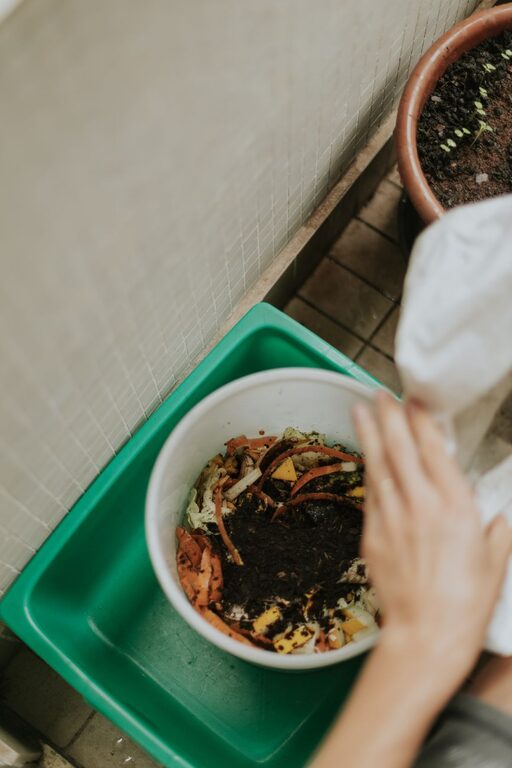
Composting at home is a rewarding and eco-friendly way to reduce waste and enrich your garden soil. Whether you have a spacious backyard or just a small balcony, starting a compost pile can be simple and beneficial. This guide offers beginner-friendly tips to help you get started with composting, understand the basics, and maintain a healthy compost system.
What Is Composting?
Composting is the natural process of recycling organic materials like food scraps and yard waste into a rich soil amendment called compost. This process involves the breakdown of these materials by microbes, fungi, and invertebrates, resulting in nutrient-dense soil that can improve plant growth.
Benefits of Composting at Home
– Reduces household waste: Diverts food and garden waste from landfills.
– Improves soil quality: Adds nutrients and improves soil structure.
– Saves money: Reduces the need to buy chemical fertilizers.
– Supports plant health: Enhances water retention and root growth.
– Helps the environment: Lowers greenhouse gas emissions from waste.
Getting Started: Choosing a Compost Bin
Types of Compost Bins
– Tumbling bins: Easy to turn for quick aeration.
– Stationary bins: Basic containers suitable for larger spaces.
– DIY bins: Made from pallets or wire mesh.
– Worm composters (vermicomposting): Use worms to speed up decomposition, ideal for indoors or small spaces.
Choose a compost bin based on your available space, budget, and how much organic waste you generate.
What to Compost: Browns and Greens
Composting requires a balanced mix of two main types of materials:
– Greens: Nitrogen-rich materials that include fruit and vegetable scraps, coffee grounds, fresh grass clippings, and tea bags.
– Browns: Carbon-rich materials like dry leaves, straw, cardboard, paper, and small branches.
Maintaining the right balance (about 2-3 parts browns to 1 part greens) helps the compost break down efficiently without producing odors.
How to Compost Step-by-Step
1. Collect Your Materials
Gather kitchen scraps (avoid meat, dairy, and oily foods) and yard waste. Use a small container in your kitchen to collect greens before transferring them to your compost bin.
2. Build Your Compost Pile
Start with a layer of coarse browns like twigs or straw to help with airflow. Alternate layers of greens and browns, breaking down larger materials into smaller pieces to speed decomposition.
3. Keep It Moist
Your compost should feel like a damp sponge—moist but not soaking wet. Water it occasionally if it becomes too dry, especially during hot weather.
4. Turn Your Compost
Aerate your compost pile by turning or mixing it every one to two weeks. This provides oxygen to the microbes that break down the material and speeds up the process.
5. Monitor Temperature
A healthy compost pile generates heat as microbes work. If your pile feels warm, it’s a good sign. If it cools down, turning the pile or adding more greens can help.
Troubleshooting Common Problems
– Bad odors: Usually caused by too many greens or lack of air. Add browns and turn the pile.
– Pests: Avoid adding meat or oily foods; secure your bin and bury food scraps.
– Slow decomposition: Chop materials into smaller pieces and turn more often.
– Dry compost: Add water and more green materials.
Using Finished Compost
Compost is ready to use when it looks dark, crumbly, and earthy, typically after 3-6 months. You can mix it into garden beds, use it as mulch, or add it to potting soil to improve plant health.
Composting Tips for Small Spaces
– Use a worm bin for indoor composting.
– Consider a compact tumbler or stackable bin.
– Collect kitchen scraps daily and freeze if you can’t compost them immediately.
– Use community composting programs if available.
Final Thoughts
Composting at home is an engaging way to contribute to a healthier environment while benefiting your garden. By following these beginner tips, you’ll create a productive compost system that reduces waste and nurtures your plants naturally. Start small, be patient, and enjoy the process of turning everyday scraps into black gold for your garden!